
Mole Removal in the United Kingdom: Cost, Safety & What to Expect
Most people don’t think about mole removal until a mole becomes noticeable, irritating, or simply causes concern.
In many cases, the question starts with something simple: “Can I safely remove this?” or “How much does it cost?”
Before making any decisions, it’s important to understand what mole removal actually involves, what is safe, and when it should be done by a medical professional.
Can you remove moles safely?
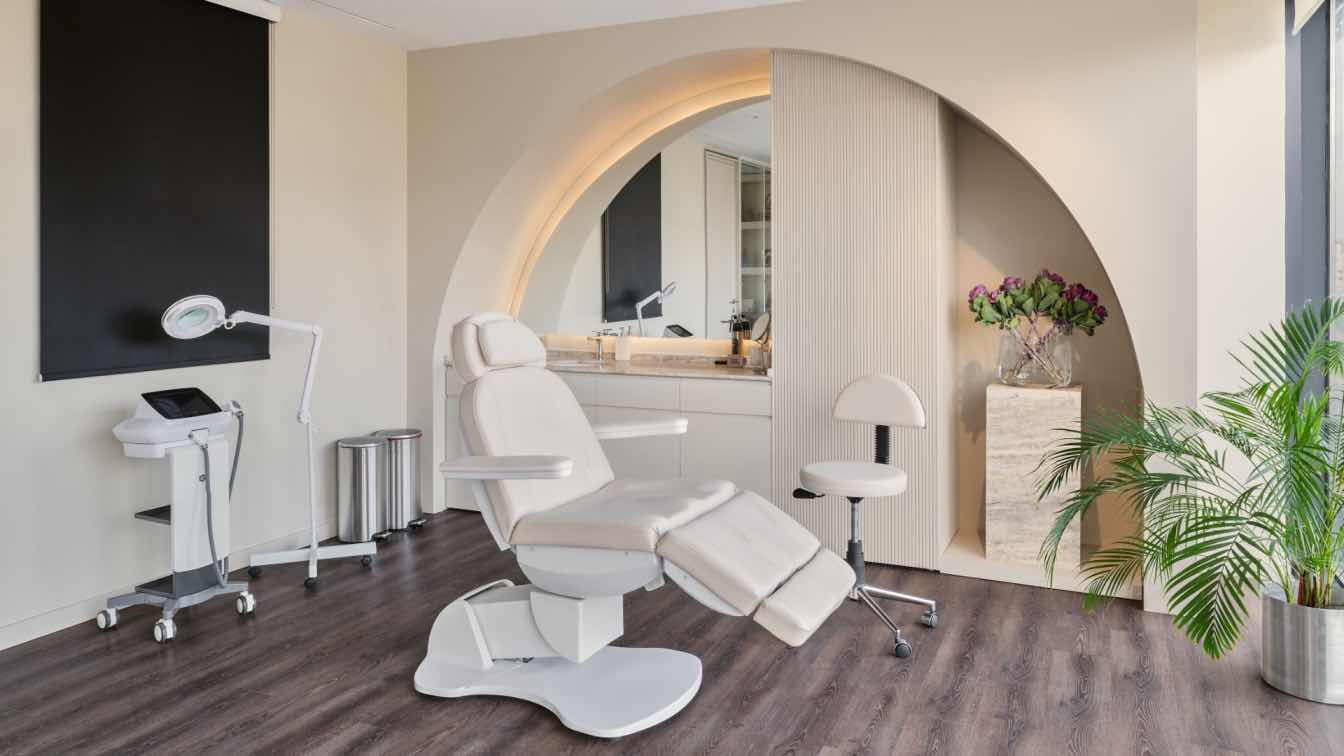
Moles should never be removed at home.
Although home remedies and over-the-counter treatments are sometimes advertised online, these methods are not safe. They do not allow proper diagnosis and can lead to scarring, infection, and missed detection of serious skin conditions.
More importantly, what looks like a harmless mole may sometimes require further medical investigation. This is why professional assessment is always recommended before any removal is considered. If you are unsure if your mole shows concerning signs, you can read our guide on how to tell if a mole is cancerous.
Why people get moles removed
Moles are usually removed for one of three reasons:
Some are removed because they change in appearance over time and require investigation. Others are removed because they are located in areas where they become irritated by clothing, shaving, or daily friction. In other cases, patients choose removal for cosmetic reasons.
Regardless of the reason, the first step is always proper assessment to ensure the mole is safe to remove.
Does mole removal hurt?
Mole removal is typically performed under local anaesthetic, which means the area is numbed before the procedure begins.
Most patients report feeling pressure rather than pain during the process. After the procedure, there may be mild tenderness as the area heals, but this is usually short-lived and manageable.
How much does mole removal cost in the UK?
The cost of mole removal in the UK depends on several factors, including the size of the mole, its location on the body, and whether laboratory analysis is required afterwards.
At Revitalise London, mole removal typically starts from £295. The final cost is confirmed after a clinical assessment, ensuring the most appropriate treatment approach is recommended. You can view our full range of mole removal treatments and booking options here.
Depending on suitability, same-day or flexible appointments may also be available.
What happens during mole removal?
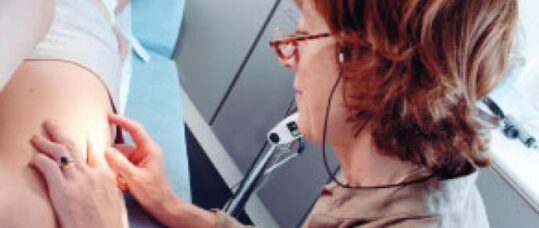
Before removal, the mole is examined carefully by a clinician to assess whether it requires further investigation.
If removal is recommended, the area is numbed using local anaesthetic. The mole is then removed using a clinically appropriate method, and the skin is treated to support healing.
In some cases, the mole is sent to a laboratory for analysis. This helps confirm whether the mole is benign or requires further attention. It is the only definitive way to diagnose certain skin changes.
Will moles grow back after removal?
In most cases, a completely removed mole does not grow back.
However, if deeper pigment cells remain in the skin, there is a small chance of recurrence. This is why proper clinical removal and follow-up assessment are important.
Is mole removal safe?
When performed by a qualified medical professional, mole removal is a safe and routine procedure.
The key factor is not just removal itself, but ensuring that the mole is properly assessed before and after the procedure. This reduces risk and ensures any abnormal skin changes are not missed.
Can you remove moles at home?
No. Removing moles at home is not safe and is strongly discouraged.
The main risk is not just scarring or infection, but the possibility of missing an early skin cancer. Many skin conditions cannot be accurately identified without clinical tools or laboratory testing.
When should you consider mole removal?
You should consider a professional assessment if a mole is changing in size, shape, or colour, if it becomes irritated or starts bleeding, or if it simply looks different from your other moles.
Even if you are unsure, it is always better to have it checked. Most concerns turn out to be harmless, but only a professional can confirm this safely.
The bottom line
Mole removal is a straightforward medical procedure, but it should never be treated as a DIY process.
The safest approach is always assessment first, followed by professional removal if needed.
Understanding what is normal for your skin — and acting when something changes — is the most important step in protecting your long-term skin health.
Concerned about a mole?
If you have a mole that is changing, uncomfortable, or causing concern, a professional assessment can provide clarity and peace of mind.
At Revitalise London, mole assessments and removals are carried out using clinical expertise and advanced diagnostic tools.
Mole removal starts from £295 following consultation, with treatment plans tailored to individual needs.
Frequently Asked Questions
Yes, mole removal is safe when performed by a qualified medical professional. The key safety step is proper clinical assessment before removal to ensure the mole does not require further investigation.
Mole removal costs vary depending on the size, location, and whether laboratory analysis is needed. In private clinics in London, treatment typically starts from around £295 following clinical assessment.
Mole removal is usually carried out under local anaesthetic, so the area is numbed. Most patients feel pressure rather than pain, and any discomfort afterwards is typically mild and short-lived.
No. Removing moles at home is not safe and is strongly discouraged. It can lead to infection, scarring, and may delay the diagnosis of serious skin conditions.
In most cases, a fully removed mole does not return. However, if deeper pigment cells remain in the skin, there is a small chance of recurrence.
Mole removal may be recommended if a mole is changing in size, shape, or colour, if it becomes irritated, or if it looks different from your other moles. A clinical assessment is always required first.
Before removal, a clinician examines the mole to determine whether it is safe to remove or whether further investigation is needed. This may include dermatoscopic assessment.
Yes. In some cases, the removed mole is sent to a laboratory for analysis. This is the only way to definitively confirm whether a mole is cancerous.
Healing time depends on the size and location of the mole, but most areas heal within 1–2 weeks. Proper aftercare helps minimise scarring.
Our Medical Team
Meet the experienced professionals who will provide your care

Dr. Ken Otouke
Consultant Plastic Surgeon
GMC Number: 6087496
A pioneer in Plastic Surgery and specialising in Robotics, Dr Ken is a core member on the Board of Micro Surgery for the United Kingdom. Dr Ken had worked his way to the pinnacle of NHS duties but not before developing his skill set in the USA, Italy and Canada.
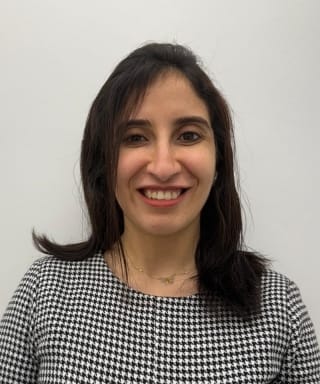
Dr. Nancy Abdel-Rehman
Dermatologist
GMC Number: 7679511
Dr Nancy Abdel-Rehman is a highly skilled Dermatologist with extensive experience in diagnosing and treating a wide range of skin conditions. She specialises in advanced dermatological procedures, leveraging state-of-the-art technologies such as short and long pulse lasers to deliver exceptional care.
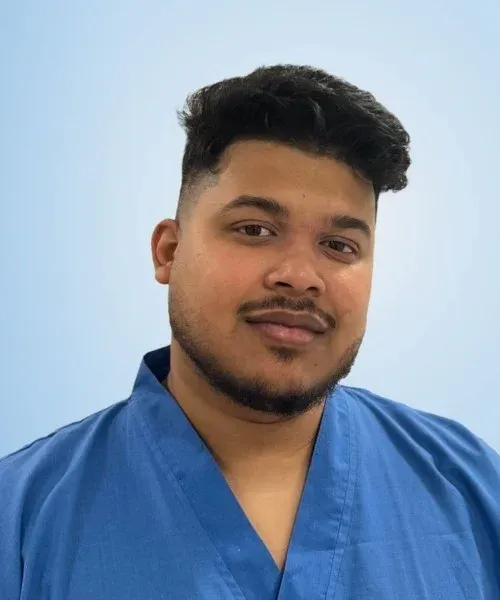
Jonny
Medical Assistant
Jonny is a dedicated Medical Assistant who provides essential support to our medical team. With a focus on patient care, he ensures our clinical operations run smoothly. Jonny assists with preparing patients for procedures, maintaining clinical records, and ensuring a comfortable and professional environment. His hard work and commitment are invaluable in upholding the high standards of care at Revitalise London.
Nathalie Emmanuel
Actress - Game of Thrones Star
Had a wonderful experience with Dr Ken and his staff with my forehead lipoma removal. Thorough in planning before the procedure and so far, l've had a great experience with aftercare. When I had any questions there was always someone available to answer them.