
Understanding Lipomas: Causes, Symptoms, and Treatment Options
Introduction
A lipoma is one of the most common types of benign (non-cancerous) growths found beneath the skin. These soft, fatty lumps develop slowly and are usually harmless, though they can sometimes cause discomfort or affect appearance.
At Revitalise London, our dermatology specialists frequently assess and treat lipomas, offering clarity and reassurance to those unsure about a lump they’ve discovered. Understanding what a lipoma is, why it forms, and when it might need removal can help you make confident, informed decisions about your skin health.
What Is a Lipoma?
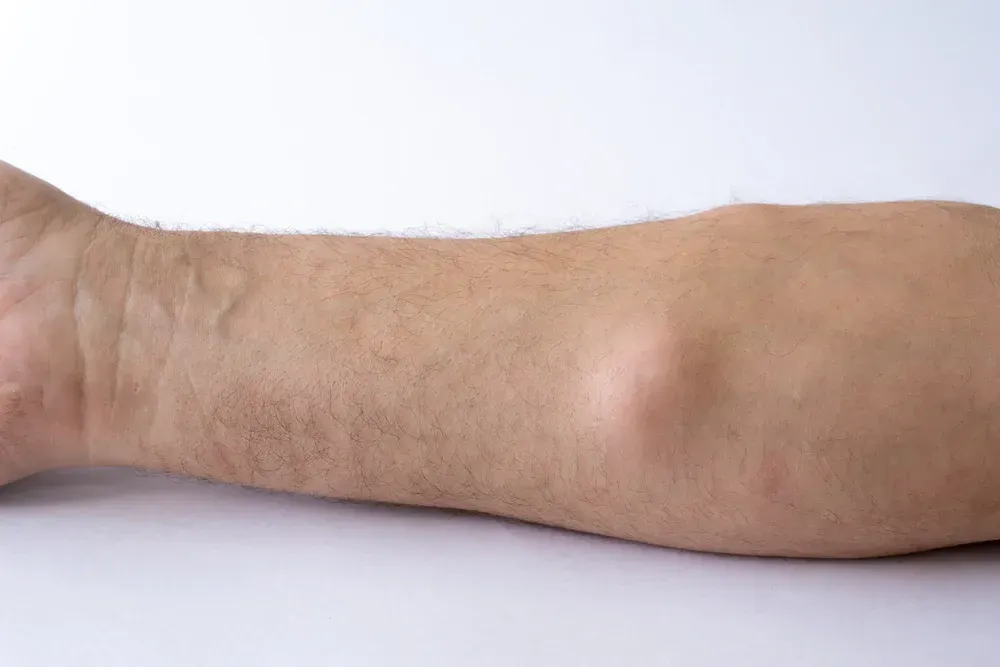
A lipoma is a slow-growing, non-cancerous tumour composed of mature fat cells (adipocytes). It typically forms in the subcutaneous layer, the soft tissue just beneath the skin, and feels smooth, doughy, and easily moveable when pressed. Most lipomas range in size from a few millimetres to several centimetres, and they can develop almost anywhere on the body. Common sites include the shoulders, arms, back, neck, and thighs, though they may occasionally appear deeper in the body’s soft tissues.
It’s important to note that lipomas are not the same as cysts or fibromas.
• Cysts are fluid-filled sacs that may become inflamed or infected.
• Fibromas are firm, fibrous growths made up of connective tissue rather than fat.
Lipomas, in contrast, contain only fatty tissue and almost never become cancerous. However, because other lumps can look or feel similar, a proper diagnosis by a dermatologist is always recommended to confirm the nature of the growth.
Recognising a Lipoma
Most people first notice a soft, rounded lump beneath the skin. The surface usually appears normal, with no redness or visible change. When pressed, the lump tends to move gently under the fingers and is not typically painful.
Lipomas may remain the same size for years, but in some cases, they can enlarge gradually. While this is usually harmless, there are situations where further assessment is advisable particularly if the lump:
• Becomes painful or sensitive to touch
• Increases rapidly in size
• Begins to press on nearby structures or nerves
• Appears deeper than the usual soft fatty layer
Occasionally, what appears to be a lipoma can turn out to be another type of growth that requires different management. For this reason, a dermatological examination and, if necessary, an ultrasound or biopsy can help confirm the diagnosis.
When to Consider Lipoma Removal
Most lipomas do not require treatment and can be safely left alone. However, removal may be recommended or chosen for several reasons.
If a lipoma causes discomfort, pain, or nerve pressure, removal can provide relief. Some patients choose treatment for cosmetic reasons, particularly when the lump is visible on areas such as the neck, arms, or face.
In rarer instances, if a lipoma shows unusual growth patterns, irregular edges, or rapid enlargement, your dermatologist may advise removal to rule out rarer forms of soft tissue tumours, such as liposarcoma.
At Revitalise London, we perform a detailed assessment before any treatment to ensure that removal is both necessary and beneficial for your comfort and peace of mind.
Treatment and Recovery
Lipoma removal is a straightforward, minor procedure that is typically carried out under local anaesthesia. At Revitalise London’s Harley Street clinic, our dermatologists use two main approaches depending on the size and location of the lipoma.
Surgical Excision
This method involves making a small incision in the skin and carefully removing the entire lipoma, including its capsule. This ensures the lipoma is completely excised and unlikely to recur. The wound is then closed with fine sutures, and most patients can return home immediately afterward.
Liposuction-Assisted Removal
For smaller or softer lipomas, a less invasive approach may be suitable. Liposuction uses a fine cannula to gently extract the fatty tissue through a tiny incision. This method leaves minimal scarring and is particularly effective for lipomas in visible areas.
Aftercare and Recovery
Recovery is typically quick and comfortable. Mild swelling or bruising may occur in the first few days, but these effects resolve naturally. Our dermatologists provide detailed aftercare instructions to ensure smooth healing.
Scarring is minimal, and recurrence is rare when the lipoma is fully removed. Patients usually resume normal activities within a few days, though strenuous exercise should be avoided for a short period.
Throughout the process, our specialists at Revitalise London Dermatology Clinic focus on precision, aesthetic results, and patient comfort offering the reassurance that your care is in expert hands.
Closing & Consultation
Lipomas are benign, slow-growing fatty lumps that rarely cause harm, but they can still lead to discomfort or self-consciousness. Understanding their nature and knowing when to seek advice is the first step toward peace of mind.
If you’ve noticed a lump that’s changing, uncomfortable, or simply causing concern, the team at Revitalise London can help. Our dermatologists offer thorough diagnosis, clear guidance, and gentle, effective lipoma treatment tailored to your needs.
Our Medical Team
Meet the experienced professionals who will provide your care

Dr. Ken Otouke
Consultant Plastic Surgeon
GMC Number: 6087496
A pioneer in Plastic Surgery and specialising in Robotics, Dr Ken is a core member on the Board of Micro Surgery for the United Kingdom. Dr Ken had worked his way to the pinnacle of NHS duties but not before developing his skill set in the USA, Italy and Canada.
Dr. Nancy Abdel-Rehman
Specialist Interests in Dermatology
GMC Number: 7679511
Dr Nancy Abdel-Rehman is a highly skilled specialist with interests in Dermatology and extensive experience in diagnosing and treating a wide range of skin conditions. She specialises in advanced dermatological procedures, leveraging state-of-the-art technologies such as short and long pulse lasers to deliver exceptional care.
Jonny
Medical Assistant
Jonny is a dedicated Medical Assistant who provides essential support to our medical team. With a focus on patient care, he ensures our clinical operations run smoothly. Jonny assists with preparing patients for procedures, maintaining clinical records, and ensuring a comfortable and professional environment. His hard work and commitment are invaluable in upholding the high standards of care at Revitalise London.
Nathalie Emmanuel
Actress - Game of Thrones Star
Had a wonderful experience with Dr Ken and his staff with my forehead lipoma removal. Thorough in planning before the procedure and so far, l've had a great experience with aftercare. When I had any questions there was always someone available to answer them.